

How Is Truck Accident Liability Determined in Florida?
Gregg Hollander | September 8, 2026 | Truck Accidents
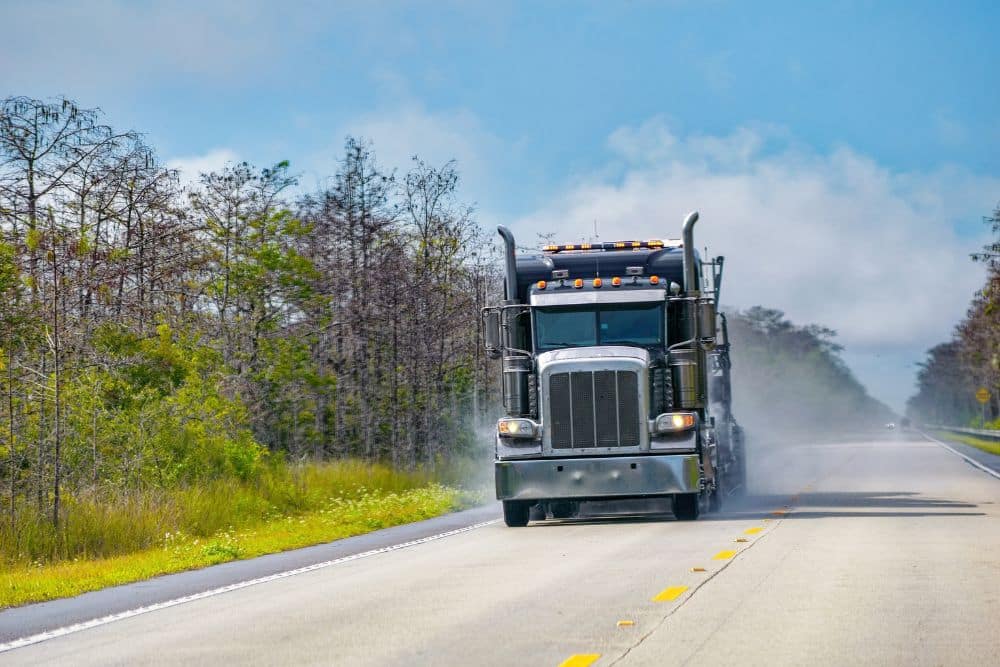
A serious truck accident can leave you facing significant injuries, time away from work, and uncertainty about how the crash will affect your future. You may also discover that determining who caused the crash is far more complicated than pointing to the truck driver.
Under Florida law, truck accident liability can reach beyond the person behind the wheel. A trucking company may put an unsafe driver on the road. A maintenance contractor may fail to repair worn brakes or other dangerous equipment. A cargo company may improperly load or secure a trailer. In some crashes, several parties make decisions that contribute to the same collision.
That matters when you are trying to understand who should answer for a serious injury. If fatigue caused the driver to lose control, electronic logging and dispatch records can show how long the driver had been working and whether the trucking company ignored repeated hours-of-service violations. If defective brakes contributed to the crash, inspection and maintenance records can show when the problem developed, who knew about it, and why no one took the truck out of service.
A Florida truck accident investigation may therefore extend far beyond the crash report. Attorneys may need to examine federal trucking regulations, electronic vehicle data, driver qualification records, company safety practices, maintenance histories, and commercial insurance policies to understand how the collision happened and who contributed to it.
If you were seriously injured, you should not have to untangle those relationships yourself. Hollander Law Firm has over three decades of experience helping Florida residents navigate the challenges of serious truck accident cases.
Schedule a consultation with our office online or by calling (561) 347-7770 to learn more about how our Florida truck accident attorney can assist.
Who Is Liable in a Truck Accident?
There is no single answer to who is at fault for a Florida truck collision. Liability depends on what caused the collision and which person or business had responsibility for the conduct or safety failure that contributed to it.
The truck driver may be responsible for speeding, distracted driving, an unsafe lane change, or another driving error. But a commercial driver operates as part of a much larger system. The motor carrier may control hiring, training, supervision, scheduling, and vehicle maintenance. A separate contractor may maintain the truck. Another company may load the trailer. In some cases, a defective vehicle component may also contribute to the crash.
This is why a serious trucking investigation should not end simply because the driver’s negligence appears obvious.
Suppose a tractor-trailer rear-ends stopped traffic on I-95 after its driver fails to brake in time. Driver inattention is one possible explanation. Electronic data and other evidence could instead show that the driver had been on the road too long, the brakes were not functioning properly, or both factors contributed to the collision.
Each possibility raises a different liability question. Driver fatigue may require examining hours-of-service records and company supervision. Brake problems may lead to maintenance and inspection records. If both contributed, responsibility may extend to several parties.
Are Truck Drivers Responsible for Damages in a Florida Collision?
Truck drivers can be held responsible when their negligent actions cause a collision. Commercial drivers must comply with Florida traffic laws as well as federal safety requirements that apply specifically to commercial motor vehicles.
Examples of driver negligence may include speeding, following too closely, distracted driving, making an unsafe lane change, driving while impaired, or failing to adjust to traffic and weather conditions. Fatigue can also play an important role in serious truck accidents, particularly when a driver remains behind the wheel longer than federal hours-of-service regulations allow.
Drivers also have responsibilities that extend beyond how they operate the truck on the highway. Federal rules require commercial drivers to address certain vehicle inspection and safety obligations. Evidence that a driver recognized a dangerous mechanical condition but continued operating the truck may therefore become relevant to liability.
When Can the Trucking Company Be Held Liable?
A trucking company’s potential responsibility can extend well beyond the actions of its driver. Motor carriers have obligations related to the people they place behind the wheel, the vehicles they put on the road, and the safety practices used throughout their operations. That can make the carrier’s own conduct a central issue in a serious truck accident claim.
Negligent Hiring
Commercial drivers must satisfy specific qualification requirements. When evaluating a driver, a carrier may need to examine information concerning driving history, licensing, qualifications, and other safety-related matters required under applicable federal rules.
A negligent hiring claim may arise when information available before hiring should have raised serious questions about whether a driver could safely operate a commercial vehicle, but the carrier put that driver on the road anyway.
Negligent Retention
A driver who appeared qualified when hired may later develop a record of unsafe conduct. Repeated crashes, serious traffic violations, safety violations, or other warning signs can raise questions about why the driver remained behind the wheel. In those cases, the focus shifts from what the trucking company knew when it hired the driver to what it learned afterward and how it responded.
Negligent Supervision and Training
Hiring a qualified driver does not necessarily end a carrier’s safety responsibilities. Depending on the circumstances, questions may arise about driver training, supervision, compliance monitoring, or the company’s response to known safety problems.
Hours-of-service compliance provides a good example. If records repeatedly show a driver exceeding allowable driving limits, an investigation may examine whether the carrier recognized those violations, what it did about them, and whether company practices allowed unsafe conduct to continue.
These distinctions matter because serious truck accident cases are not always about a single bad decision made seconds before impact. Sometimes the collision is the result of safety problems that developed over months.
Can a Trucking Company Be Liable for Pressuring a Driver to Break Safety Rules?
Florida’s major freight corridors keep commercial drivers moving throughout the state and across state lines. Routes such as I-95, I-75, I-4, and Florida’s Turnpike carry heavy commercial traffic, and tight delivery schedules can put pressure on drivers to cover long distances within limited timeframes. Those business demands do not excuse a carrier or driver from following the safety rules designed to prevent fatigue-related crashes.
Federal hours-of-service regulations limit how long many interstate commercial drivers can drive and remain on duty before taking required breaks. Electronic logging devices (ELDs) track much of that driving time. When a fatigued truck driver causes a serious Florida crash, those records can help establish how long the driver had been working before the collision and whether the driver complied with federal limits.
The investigation should not necessarily stop with the driver. A motor carrier controls many of the decisions surrounding a trip, including dispatch, scheduling, and delivery expectations. Dispatch messages, ELD records, trip documents, and company communications can show whether the carrier monitored the driver’s hours, addressed previous violations, or created schedules that encouraged unsafe driving.
Consider a driver traveling south on I-95 toward a scheduled South Florida delivery as the driver approaches the federal driving limit. If the carrier pressures the driver to continue rather than take the required rest, the company’s conduct can become part of the truck accident liability analysis. The driver may have chosen to stay behind the wheel, but the evidence may show that company practices helped create the dangerous situation.
Who Is Liable When Improperly Loaded Cargo Causes a Truck Accident?
Florida law requires trucks to carry loads securely enough to prevent cargo from dropping, shifting, leaking, blowing, or otherwise escaping onto the road. Florida Statutes §§ 316.520 and 316.525 also impose specific load-securement duties on vehicle owners and drivers.
When unsecured or poorly distributed cargo causes a Florida truck accident, liability may extend beyond the driver. A shifting load can contribute to a rollover or jackknife, while unsecured materials can fall from a trailer and strike vehicles or create roadway hazards. Depending on who controlled the loading process, the motor carrier, shipper, warehouse operator, or loading contractor may share responsibility.
How Does Florida’s Comparative Negligence Law Affect Truck Accident Liability?
A trucking company or its insurer may argue that you contributed to the collision even when its driver was also negligent. Florida Statute § 768.81 uses a modified comparative fault rule for negligence claims. If you share some fault, the court generally reduces your damages according to your percentage of responsibility. If you are found more than 50% at fault, Florida law generally bars recovery in a negligence action.
That makes the allocation of fault especially important. A carrier might claim that you changed lanes abruptly in front of its truck, while electronic data, video, or accident reconstruction shows that the truck driver was speeding or following too closely to stop safely.
Determining truck accident liability in Florida, therefore, involves more than proving the truck driver made a mistake. The evidence must also address attempts to shift some or all of the blame to the injured person.
Frequently Asked Questions About Truck Accident Liability in Florida
Can a Trucking Company Be Liable for Its Driver’s Accident?
Yes. Depending on the circumstances, a Florida trucking company may face liability for its driver’s actions as well as its own negligence, including unsafe hiring, retention, supervision, training, or maintenance practices.
What If the Truck Driver Is an Independent Contractor?
An independent contractor label does not automatically determine liability in Florida. The actual relationship among the driver, motor carrier, and other companies involved must be examined to determine who controlled the work and who may bear responsibility for the crash.
What If the Florida Crash Report Says I Caused the Accident?
A Florida traffic crash report does not by itself decide civil liability. Electronic truck data, video, witness accounts, company records, and accident reconstruction may provide additional evidence about who actually caused the collision.
Can I Recover Damages If I Was Partly Responsible for a Florida Truck Accident?
Possibly. Under Florida’s modified comparative negligence law, your compensation generally decreases according to your percentage of fault. If you are found more than 50% responsible, you generally cannot recover damages in a negligence claim.
Why Does Identifying Every Liable Party Matter?
A serious Florida truck accident may involve a driver, motor carrier, maintenance contractor, cargo company, or other business. Identifying everyone who contributed to the crash helps establish responsibility and determine which commercial insurance coverage may be available for your losses.
Get Clear Answers About Who Is Responsible for Your Florida Truck Accident
After a serious truck accident, you may not know whether the truck driver caused the crash without knowing what happened behind the scenes. The carrier may have hired an unsafe driver, ignored hours-of-service violations, failed to address maintenance problems, or allowed other safety failures to continue. You should not have to uncover those answers on your own while dealing with serious injuries and an uncertain future.
For more than three decades, Gregg Hollander has represented individuals and families in significant injury and wrongful death cases. He understands how to look beyond the crash itself, examine the evidence, and identify the people and companies whose decisions contributed to serious harm.
If you were seriously injured in a commercial truck accident in Florida, contact Hollander Law Firm online or call (561) 347-7770 today. We can investigate what happened, explain who may be responsible, and help you understand the options available for pursuing your claim.
Legal References Used to Inform This Page
To ensure the accuracy and clarity of this page, we referenced official legal resources during the content development process:
- Comparative Negligence: Florida Statute § 768.81
- Truck Loading/Cargo Regulations: Florida Statutes §§ 316.520 and 316.525
- Federal Hours of Service Regulations