

3 Most Common Errors in Radiology
Gregg Hollander | September 8, 2026 | Medical Malpractice
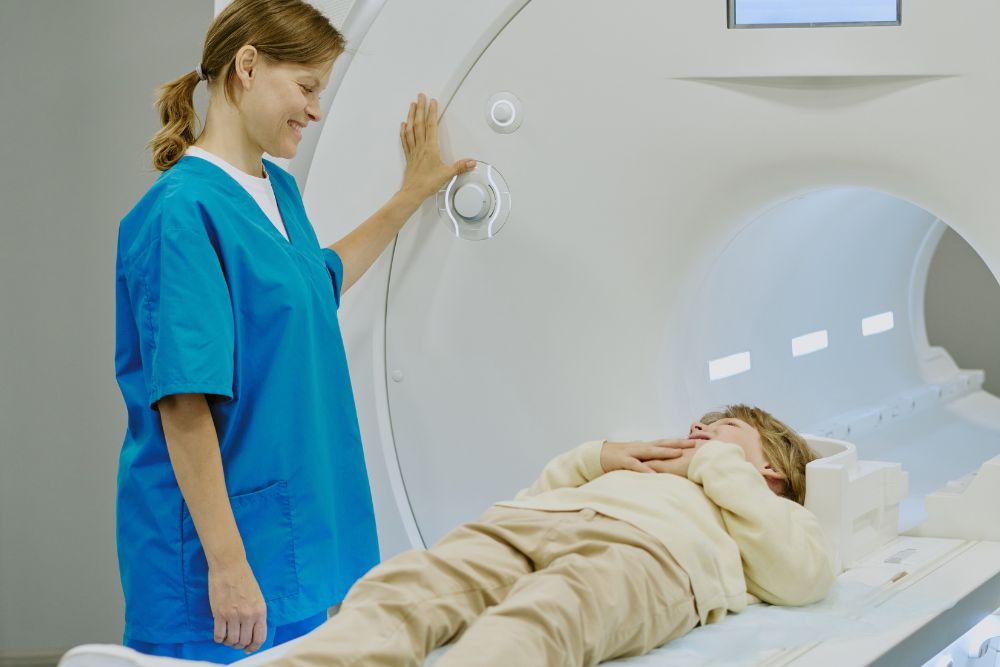
A radiology report can shape what happens next in a patient’s care. A missed brain bleed may delay emergency treatment. An overlooked mass may postpone a biopsy. A fracture reported as normal may remain untreated, worsening the injury.
The most common errors in radiology become especially serious when they lead to a missed or incorrect diagnosis, inappropriate treatment, an unnecessary procedure, or the loss of an opportunity to prevent permanent harm.
In a serious radiology malpractice case, the report is only one part of the story. The real issue is how the error affected the patient’s care: Did it send doctors down the wrong diagnostic path? Lead to unnecessary treatment? Leave a dangerous condition untreated? Or eliminate a treatment option that could have prevented permanent injury?
At Hollander Law Firm, our Florida medical malpractice legal team traces those consequences through the imaging, medical records, treatment decisions, and progression of the patient’s condition to determine whether the radiology error actually caused the harm.
If a radiology mistake resulted in a serious, permanent injury or the death of a loved one, contact us to discuss whether the medical evidence supports a Florida malpractice claim.
Get started with a free consultation by submitting our online form or by calling (561) 347-7770 today.
When Does a Radiology Error Become Medical Malpractice in Florida?
A radiology error may constitute malpractice when the radiologist failed to meet the prevailing professional standard of care, that failure caused the patient’s injury, and the patient suffered legally compensable harm. These elements are related, but each requires separate proof.
A radiologist can make a negligent error without necessarily creating a viable malpractice claim if the mistake did not materially change the patient’s outcome.
Duty and Breach of the Standard of Care
A radiologist who undertakes to interpret a patient’s imaging has a duty to provide care consistent with the prevailing professional standard applicable under the circumstances. In Florida, the question is generally whether a reasonably prudent similar healthcare provider would have provided the same level of care, skill, and treatment.
Causation
Causation is often the most difficult part of a radiology malpractice claim. Proving that a radiologist should have identified or reported something differently does not establish that the mistake caused the patient’s ultimate injury.
The next question is what was likely to have happened had proper care been given.
That analysis may require determining:
- What should have been reported? The case must establish that a competent radiologist reasonably should have identified or communicated the finding.
- What would the treating physician probably have done? A correct report might have led to a biopsy, surgery, hospital admission, specialist consultation, medication, further imaging, or another intervention.
- Was meaningful treatment still available? The evidence must show that appropriate treatment could still have prevented or reduced the harm at that point.
- Would the outcome have been better? The patient must connect the radiology error to the resulting injury rather than merely show that an earlier or more accurate diagnosis was possible.
This distinction becomes critical in serious cases. For example, a missed cancer diagnosis may support malpractice if the delay allowed the disease to progress to a more advanced stage, eliminated a curative treatment option, or materially worsened the prognosis.
Causation can also involve several providers. A radiologist may fail to identify an abnormality, but the defense may argue that the treating physician would not have changed the treatment plan even with a correct report. In another case, the radiologist may accurately identify the problem, but a physician fails to act on the result. Reconstructing that sequence is essential because responsibility depends on where the breakdown occurred and what that breakdown actually changed.
Damages
The radiology error must cause actual harm. An inaccurate report that is corrected before it affects the patient’s health may be negligent without producing the damages necessary for a viable malpractice case.
The serious radiology malpractice cases we evaluate often involve permanent or irreversible consequences such as:
- Cancer progressing to a more advanced stage or requiring more extensive treatment;
- Permanent neurological impairment after a missed stroke or intracranial hemorrhage;
- Organ damage, amputation, or other catastrophic injury after a missed infection or vascular condition;
- Permanent spinal cord, orthopedic, or internal injuries after abnormalities are overlooked on trauma imaging; or
- Death from a condition that probably could have been treated or controlled with appropriate radiologic diagnosis and subsequent care.
Damages may extend well beyond the initial hospitalization. A permanent neurological injury, for example, can create years of rehabilitation, attendant care, lost earning capacity, mobility limitations, and future medical needs. A cancer diagnosis made at a later stage may change the type and intensity of treatment as well as the patient’s long-term prognosis.
That is why the meaningful question in radiology malpractice is not simply whether the radiologist made a mistake. The case depends on whether that mistake altered the course of treatment in a way that caused serious, permanent harm or death.
What Are the 3 Most Common Errors in Radiology?
Radiology errors can occur at several points in the diagnostic process, from obtaining the study to interpreting the images and communicating the results. The type of error matters because it helps identify where the breakdown occurred, which provider may be responsible, and how the mistake affected the patient’s treatment.
The following are among the common errors in radiology that can lead to serious malpractice claims.
1. Missing a Visible Abnormality
A radiologist can miss a finding that is present on the study and reasonably should have been recognized. Depending on the imaging, that may involve a lung nodule, fracture, intracranial bleed, blood clot, mass, bowel obstruction, or another abnormality that changes what the treating physician needs to do next.
Whether this amounts to negligence depends on what the images showed when they were read. Some abnormalities are subtle, obscured by surrounding anatomy, or difficult to distinguish from normal findings. Others become much more apparent only after later imaging reveals how the condition progressed. For that reason, a malpractice analysis should not assume that a finding was negligently missed simply because it is obvious in hindsight.
The stronger question is whether a reasonably careful radiologist interpreting the same study, with the same clinical information and available comparison images, should have identified the abnormality. That may require reviewing the original images rather than relying on the written report alone.
2. Mischaracterizing a Finding
A radiologist may recognize that something is abnormal but misjudge what the finding means. A suspicious mass may be described as benign, an evolving infection may be attributed to a less serious process, or imaging features that should raise concern for malignancy may be given a reassuring interpretation.
These cases often turn on clinical significance rather than simple detection.
The question is whether the radiologist reasonably evaluated the finding’s:
- Size,
- Shape,
- Location,
- Enhancement pattern,
- Surrounding changes, and
- Other imaging characteristics in light of the patient’s history and symptoms.
In some situations, the radiologist may also need to consider more than one possible diagnosis and recommend additional imaging, biopsy, or specialist evaluation when the findings cannot safely be dismissed.
The distinction matters because identifying an abnormality is only useful if the report gives the treating physician an accurate understanding of its significance. An incorrect characterization can lead to the wrong follow-up plan, inappropriate treatment, or no further workup at all.
If that decision changes the patient’s course and results in serious permanent harm, the interpretation itself may become a central issue in a malpractice claim.
3. Failing to Compare with Prior Imaging
Prior imaging can reveal whether an abnormality is new, growing, stable, or changing in a clinically significant way.
Consider a pulmonary nodule visible on several CT scans. A single image may leave room for uncertainty, whereas comparison with an earlier study may reveal measurable growth that alters the level of concern. Similar issues can arise with breast lesions, bone abnormalities, vascular findings, and other progressive conditions.
For patients receiving care across Palm Beach and Broward counties, prior imaging may have been obtained through a different hospital system or imaging center. A serious claim may therefore require determining which prior studies were available to the radiologist, whether they were actually reviewed, and what the comparison would have shown.
Questions Commonly Asked About Radiology Errors
Can You Sue a Radiologist for Misdiagnosis?
Potentially. In Florida, the answer depends on whether the interpretation fell below the applicable standard of care and whether the error caused compensable harm. A missed finding that would not have changed treatment or prognosis may not support a viable malpractice claim.
Are Radiologists the Only Providers Who Can Be Responsible?
No. A radiologist may interpret an image correctly while another physician fails to act on the result. In other cases, the radiologist may miss the finding, the ordering physician may overlook concerning symptoms, or a communication breakdown may delay treatment. Identifying each provider’s role is critical before deciding where responsibility lies.
How Long Do You Have to Bring a Radiology Malpractice Claim in Florida?
Florida generally gives a patient two years from the malpractice incident, or from when the incident was discovered or reasonably should have been discovered, to bring a claim. Missing the applicable deadline can bar the claim entirely, regardless of how serious the radiology error was.
Florida also requires a presuit investigation before a medical malpractice lawsuit can be filed, including review by a qualified medical expert and notice to the prospective defendants. That process takes time, so waiting until the deadline is close can jeopardize an otherwise viable case.
Hollander Law Firm can review the imaging and treatment timeline, determine which deadlines may apply, obtain the relevant records, and coordinate the medical review needed to preserve and pursue the claim.
Let Our Seasoned Legal Team at Hollander Law Firm Review the Radiology Error and Its Consequences
A later scan showing that an abnormality was missed can be important evidence, but it does not answer the central question in a malpractice case: What would have happened if the radiology study had been handled correctly?
The analysis must connect the error to the appropriate treatment that should have been provided and show that proper care would likely have prevented or reduced the patient’s permanent injury.
Hollander Law Firm examines that sequence closely. We look at:
- The original images;
- The information available to the radiologist;
- How the findings were reported and communicated;
- What the treating physicians did next; and
- Whether the error changed the patient’s diagnosis, treatment options, or prognosis.
When a radiology error results in serious, permanent harm or death, the medical record deserves careful review. Contact us online or call (561) 347-7770 today to discuss what happened and whether the evidence supports a Florida medical malpractice claim.